- Petrolink
- Technology
- What is Data Refinement and why is it essential in oil and gas operations?
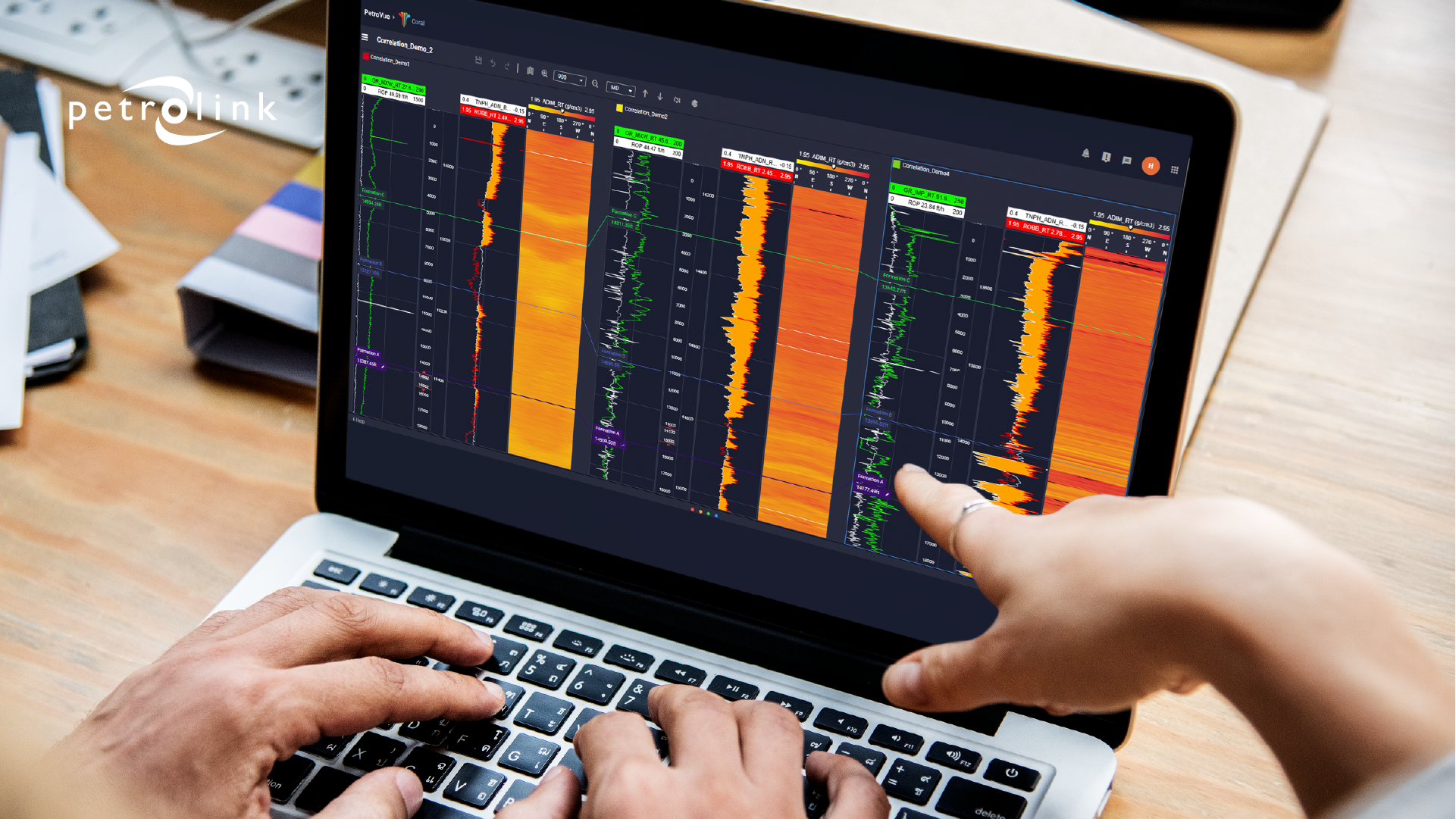
Oil and gas operations generate large volumes of data every day. This includes WITSML streams, rig sensors, vendor systems, and operational events. Generated in a variety of formats and with a mix of high and low frequency, there is no shortage of information.
The difficulty lies in using that data with confidence.
In its raw form, operational data is not always ready for immediate use. It is often spread across multiple systems, not aligned in time and depth, and sometimes delayed or incomplete. In many cases, it lacks the context needed to support clear decision-making.
Because of this, even well-designed analytics and AI solutions can struggle to deliver consistent results.
The challenge is not access to data. It is the ability to trust it and use it effectively.
What is Data Refinement?
Data refinement is the process of preparing operational data so that it can be used reliably in real-time environments.
Rather than simply collecting data, refinement focuses on improving its quality and usability. This ensures that engineers and systems are working with data that is consistent, aligned, and meaningful.
In practice, this includes:
- Bringing together data from multiple sources,
- Standardising formats, units, and naming conventions,
- Aligning time and depth references,
- Linking available contextual metadata across the sources,
- Validating signal quality and reducing noise, and
- Delivering consistent, real-time data streams.
The concept is simple. Raw data has value, but it needs to be structured, refined and validated before it can support decision-making.
Why Data Refinement Matters in Real-Time Operations
In drilling and production environments, decisions are often made in real-time. These decisions are not always made at the wellsite, which increases the reliance on data.
When data is not properly refined, teams can face a range of issues, such as:
- Alarms that arrive too late,
- Signals that are difficult to interpret,
- Additional time spent validating data, and
- Reduced confidence in decision-making.
Even small inconsistencies can have an impact. Misaligned timestamps or unclear naming can slow down response times and introduce uncertainty.
With Petrolink’s refined data, the situation improves:
- Signals are aligned and easier to interpret.
- Noise is reduced, making important events clearer.
- Data is consistent across systems.
- Engineers can focus on analysis instead of data correction.
This leads to better clarity and faster decision-making during operations.
Common Operational Data Challenges
Across the industry, similar challenges continue to affect data usability.
These typically include:
- Data distributed across multiple systems with different formats,
- Inconsistent naming and mnemonics between vendors,
- Time and depth misalignment affecting interpretation,
- Signal noise masking important information, and
- Missing data creating gaps in visibility.
As a result, engineers often spend time reconciling and validating data instead of focusing on analysis.
These challenges become more critical as operations rely more heavily on real-time data and digital workflows.
From Raw Data to Trusted Data
Improving data quality requires a structured and consistent approach.
This process typically involves four key steps:
- Data acquisition
Capturing data from WITSML feeds, sensors, and vendor systems. - Standardisation
Ensuring consistency across formats, units, and naming. - Contextualisation
Aligning time and depth, validating signals, connecting metadata, and reducing noise. - Delivery
Providing reliable, real-time data streams for operational use.
When applied consistently, this process creates data that can be trusted across teams and systems.
The Impact of Refined Data
Better data quality leads to better outcomes across operations.
With refined data, organisations can achieve:
- Faster and more confident decision-making,
- Reduced Non-Productive Time,
- Lower Invisible Lost Time,
- Improved process safety, and
- Better coordination between teams.
These improvements may start at a small scale, but across multiple wells and operations, they deliver meaningful operational and financial impact.
Supporting Digital and AI Initiatives
As organisations invest more in AI and digital technologies, the importance of reliable data continues to grow.
Without a strong data foundation:
- Systems are harder to scale,
- Results are less consistent, and
- Trust in digital tools is reduced.
With refined data:
- Systems perform more reliably,
- Insights are easier to act on, and
- Teams have greater confidence in outputs.
Data refinement is a key step in making digital transformation work in practice.
Oil and gas operations already generate large volumes of data. The real value lies in making that data usable.
Refining operational data improves its quality and ensures it can support real-time decisions. This leads to safer operations, better performance, and more reliable use of AI and analytics.
If you are investing in AI, analytics, or real-time monitoring, the first step is making sure your data is ready.
Learn how Petrolink refines operational data into reliable, real-time insights.